Nov 17, 2026

Measuring the unmeasurable: Slurry flow and pressure

  • Article
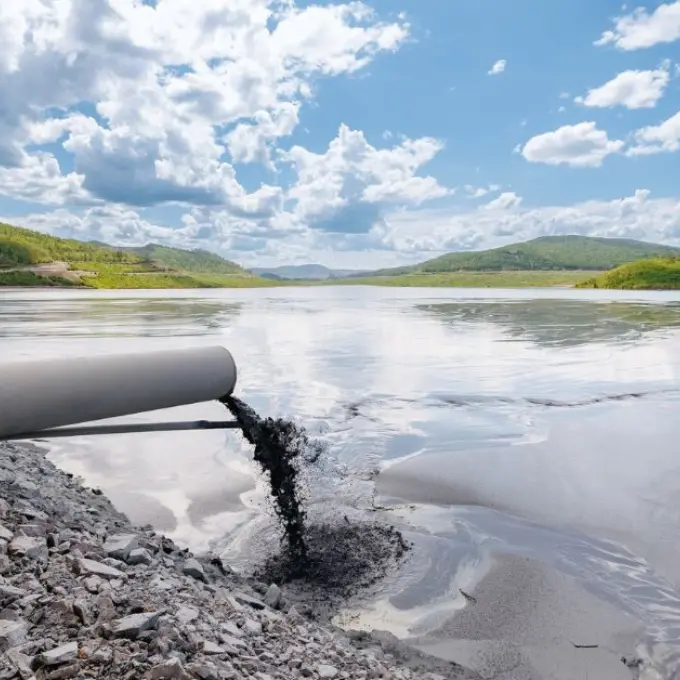
Mm pipeline landscape pipes pipeline discharging slurry web VT HR Adobestock 2

High-solids slurry systems are among the most demanding applications for process instrumentation. Slurries are more complex than liquids carrying suspended solids. Their composition can vary widely, from fine particles to coarse, highly abrasive material, and changes in solids concentration, density and particle size are common during standard operation. These conditions make accurate pressure and flow measurement challenging. Abrasive particles can wear down wetted components; fine solids can build up on sensing surfaces; and entrained air can cause flow readings to fluctuate.

Poor measurement can create problems that go well beyond inaccurate data. Operators rely on dependable flow measurements to maintain the velocity required to keep particles suspended. When velocity drops too low, solids may settle, increasing the risk of flow restrictions, plugging, pump disturbances and unplanned downtime. Pressure measurements can also become unreliable when solids accumulate in impulse lines, pressure ports or sensing elements. As a result, selecting instruments based solely on pipe size or nominal flow rate can lead to higher maintenance requirements and a less accurate picture of how the slurry system is actually performing.

  1. What to consider before selecting an instrument

    Reliable measurement starts with a clear understanding of the slurry itself. Instrument selection should account for solids concentration, particle size and abrasiveness, liquid conductivity, operating pressure and temperature, expected flow velocity, entrained air and the potential for coating or scale buildup. Together, these factors help determine whether an instrument will deliver stable, long-term readings or become an ongoing maintenance concern.

    For many conductive slurry applications, electromagnetic flowmeters are often the preferred starting point. They measure flow velocity without moving parts or flow obstructions, which makes them well suited to abrasive services. Magnetic flowmeters can deliver accurate measurement across a wide range of pipe sizes and are often an effective solution when the liquid phase is sufficiently conductive and solids concentrations remain within the meter’s operating limits. However, their wetted liner and electrodes must be selected for compatibility with the process, particularly in applications involving abrasive particles or magnetic minerals.

    Where solids concentrations are especially high, entrained air is present, or minimizing contact with the process is critical, non-contact passive sonar flowmeters may be more appropriate. These clamp-on instruments measure turbulent flow patterns as they move through the pipe, providing both flow and entrained-air information. Because they’re mounted externally, they aren’t exposed to direct abrasive wear, helping reduce maintenance requirements in difficult slurry applications.

    Pressure measurement requires the same level of attention. Flush-mounted pressure transmitters and diaphragm-seal arrangements reduce dead zones where solids can accumulate. They help prevent plugged sensing interfaces, limit buildup and protect the transmitter from abrasive or aggressive process media.

  2. An application-based approach to instrument selection

    There’s no one-size-fits-all instrument for slurry service. Successful designs combine process knowledge, hydraulic considerations and instrumentation expertise. The most appropriate technology depends on the operating envelope, including normal and upset conditions, not simply on a vendor datasheet or the initial capital cost.

    Reliable measurement starts by linking measurement objectives to the actual slurry system behaviour. This means reviewing the process conditions that affect instrument performance, selecting appropriate materials and installation arrangements and considering maintainability from the beginning.

    For example, a magnetic flowmeter may be appropriate for a conductive slurry with moderate solids loading, while a non-contact sonar flowmeter may better suit highly abrasive, aerated or high-solids applications. Likewise, a conventional pressure connection may be adequate in a clean service, but a flush-mounted diaphragm seal can be essential where buildup or plugging is expected. A thicker, abrasion-resistant diaphragm seal can be used in medium pressure applications as well.

    This application-based approach helps clients obtain more reliable operational data, reduce unnecessary maintenance and improve confidence in the measurements used to operate pumps, pipelines and processing equipment.

  3. Putting operating conditions first

    Pressure and flow measurement in high-solids slurry systems is challenging because the process is variable, abrasive and often difficult to access. The same characteristics that make slurry transport possible, such as solids concentration, particle size and flow velocity, can also create risks for conventional instruments.

    The key takeaway is that measurement technology must be selected for slurry characteristics, not just the pipe. Magnetic flowmeters remain an effective and economical option for many conductive slurry applications. In situations involving high solids loading, entrained air or severe abrasion, non-contact sonar flowmeters may offer significant advantages over intrusive technologies. Similarly, flush-mounted pressure transmitters and diaphragm seals can improve measurement reliability by reducing buildup and plugging.

    By characterizing the slurry and designing instrumentation based on actual operating conditions, project teams can improve data quality, support more stable pipeline performance and reduce the likelihood of unplanned downtime. 

This content is for general information purposes only. All rights reserved ©BBA