Beaver Creek – solar storage
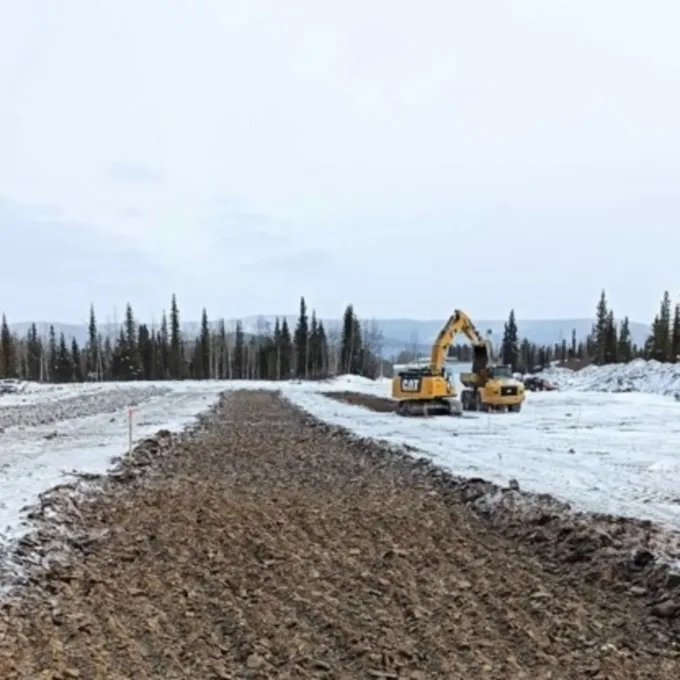
The Saa/Sè energy project is changing how Beaver Creek powers its daily life. Led by the White River First Nation and its development corporation, Copper Niisüü Limited Partnership, with support from BBA Consultants, this community-owned solar project is speeding up the transition from diesel to clean, reliable energy.
The 1.9 MW solar power plant, combined with a battery energy storage system (BESS), now supplies more than half of Beaver Creek’s electricity needs, saving between 320,000 and 350,000 litres of diesel each year. In the summer of 2025, the community operated for 56 consecutive days without using diesel, demonstrating the potential of renewable energy on an off-grid system.
- Date Jan 01, 2025
- Region Northern Canada
- Client Copper Niisüü Limited Partnership (CNLP)
-
Our experts’ solutions
The White River First Nation had a clear and ambitious goal: significantly reduce its reliance on diesel by integrating a solar facility into ATCO’s existing microgrid. The objective was to operate for extended periods without diesel, helping reduce greenhouse gas emissions, noise and vulnerability to fuel supply chain disruptions.
BBA was responsible for the detailed design and delivery of the solar farm and electrical building, as well as construction and commissioning support. Key tasks included:
• Detailed design of the 1.9 MW solar facility (3,250 bifacial solar panels) and electrical building
• Integration of a BESS to enable extended off-grid operation during the summer
• Designed for extreme northern conditions, including equipment capable of operating at temperatures as low as -55 °C and adjustable foundations to accommodate permafrost and freeze-thaw cycles
• Construction support, testing, troubleshooting and factory acceptance testing to ensure system reliability
• Commissioning carried out in close collaboration with the White River First Nation, ATCO Electric Yukon, 3eyond Consulting (project management), Solvest (photovoltaic systems contractor) and Westpeak (civil works contractor)
The project’s greatest challenge was the extreme northern environment: severe cold, permafrost, a construction season limited to the summer months and complex logistics in a remote location. By combining the team’s technical expertise with the local and Indigenous knowledge of regional partners, the project incorporated solutions tailored to northern realities. Site clearing and preparation for the solar panels were completed one year in advance to promote more uniform ground thawing and reduce excavation-related risks. The solar panel mounting system was also designed with significant adjustability to accommodate ground movement caused by annual freeze-thaw cycles.
-
-
31,000 metric tons of CO₂, estimated greenhouse gas emissions avoided over the project's 25-year lifespan
-
350, 000 L diesel consumption avoided each year
-
56 days consecutive days without diesel use in the summer of 2025
-