Nov 26, 2026

Controlling vibrations to protect equipment and production

  • Article
Blog Controle des vibrations Alexandru Coman

In industrial facilities, vibrations are part and parcel of how equipment operates. Understanding how they’re generated and transmitted helps us better assess their effects on equipment and supporting structures.

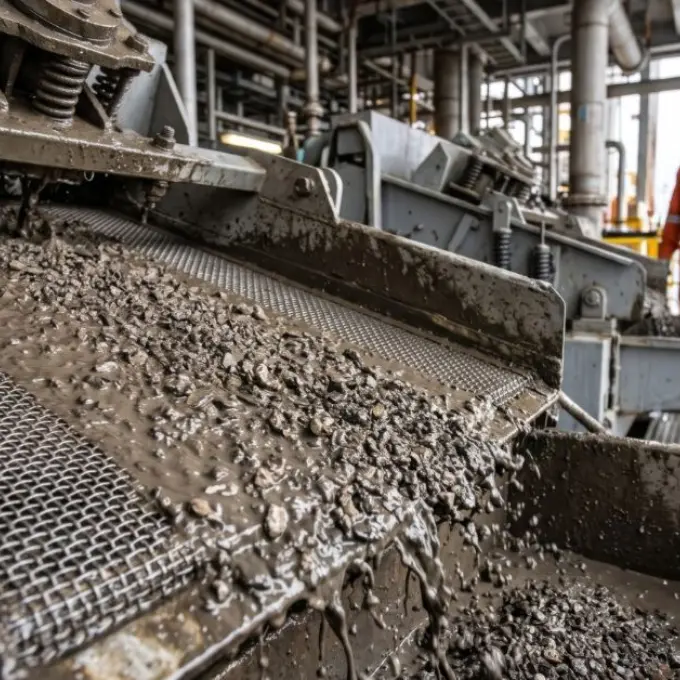
Some vibrating equipment, such as screens and mills, uses a cyclical motion to separate material into different particle sizes. Other equipment, such as pumps, uses rotary motion to move material efficiently. These cyclical movements place dynamic loads on the supporting structure, and the resulting vibrations can be felt by anyone working nearby. 

  1. Why is controlling vibrations important?

    Some vibrations go completely unnoticed, yet they can still cause damage. In a plant, excessive vibrations can lead to:

    • Premature equipment wear and tear, which can mean hefty repair costs and a direct hit to productivity
    • Supporting structure failure
    • Significant discomfort for users   
  2. How do you control vibrations?

    Structural design  

    Controlling vibrations starts with designing structures properly, around the two factors that matter most: mass and rigidity.

    Pairing modal analyses with in-depth dynamic analyses accurately captures the dynamic loads coming from equipment. These steel or concrete structures are designed specifically to reduce the vibrations people feel and eliminate any risk of resonance.  

    This approach can also combine structural design expertise with vibration and acoustics expertise. Assessing field conditions then rounds out the analyses and guides the solution to fit what’s actually happening on site.

    To learn more about what structural design brings to this type of situation, read our article about solving structural vibration issues. 

    Reducing the vibration source

    Sometimes, either a new or existing structure can’t be modified enough to limit vibrations coming from equipment. Geometric constraints (lack of space or access) or financial ones (major structural changes) can limit what structural engineers are able to do. In these cases, tackling vibrations at the source is an effective alternative.  

    Dampers suited to the vibrating equipment can be selected and the installation procedure assessed. This solution reduces vibration how much vibration travels between the equipment and the supporting structure.

    Automation expertise can also come into play, reassessing how several pieces of vibrating equipment run and deliberately creating a phase shift between them. Combined with structural engineering expertise, this approach effectively reduces the total dynamic loads acting at the same time step (i.e., within the same interval between two successive dynamic loads) on the supporting structure.  

  3. Conclusion

    Equipment-related vibrations are often overlooked or written off as unavoidable in industry, even if they can be controlled. Keeping them within preset limits minimizes equipment wear, prevents fatigue issues in supporting structures that lead to failures and lowers the risk of health problems for users.  

    Whether the solution involves modifying the structure or going straight to the vibration source, every situation calls for a thorough understanding of the equipment and its environment. By combining the right expertise with experience gained from a range of projects, you can pinpoint the source of the problem and implement a solution tailored to the conditions of each facility.

This content is for general information purposes only. All rights reserved ©BBA